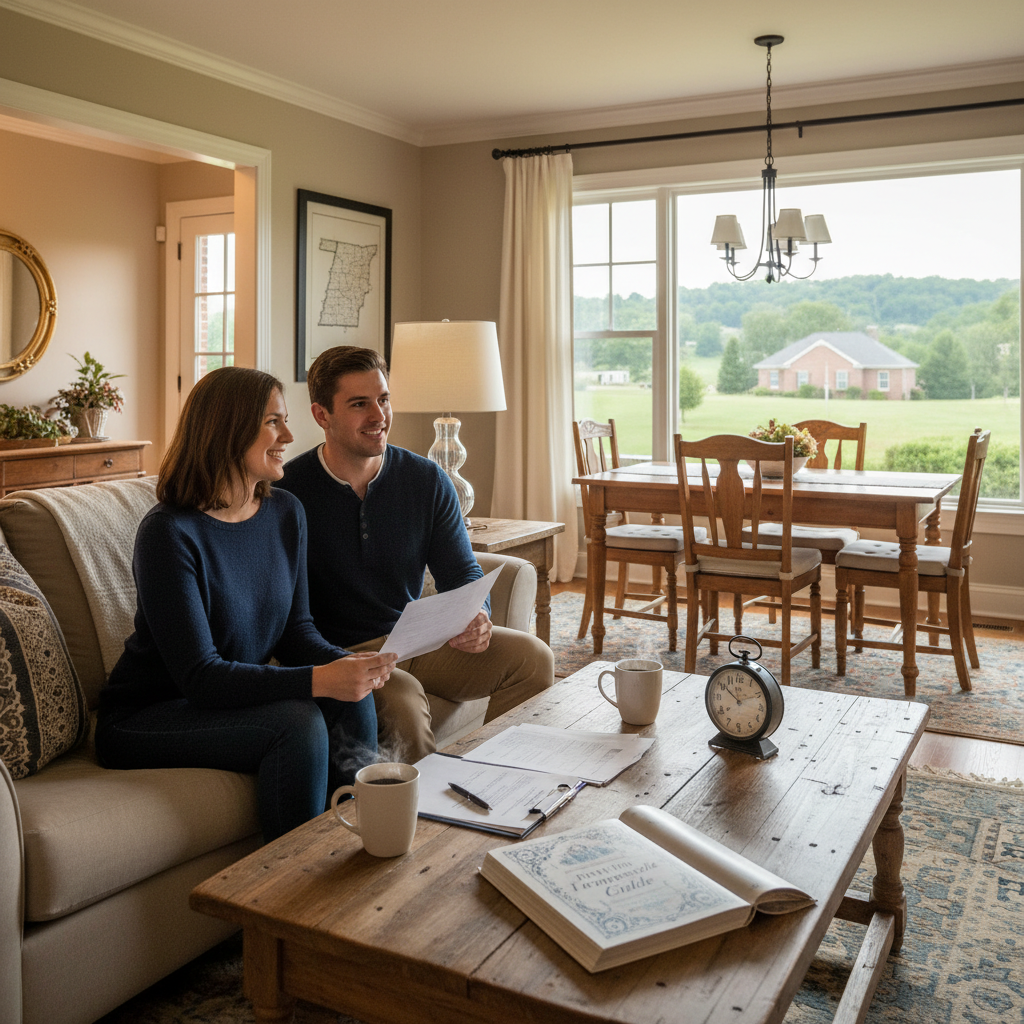
Buying a home is an exciting journey, and once your offer is accepted, the next big question often becomes, "How long until I get the keys?" In Tennessee, the closing process involves several steps, and while there's a typical timeframe, many factors can influence how quickly you reach the closing table. As your REALTOR® in Franklin and Williamson County, I guide my clients through every stage, ensuring they understand what to expect.
Generally, you can anticipate closing on a house in Tennessee to take anywhere from 30 to 45 days from the date your purchase agreement is signed. However, this is an average, and some transactions can be quicker, while others may take longer. Let's break down the elements that play a role in this timeline.
The Standard Closing Timeline in Tennessee
The 30 to 45-day window is a good benchmark for most conventional loan transactions in Tennessee. This period allows ample time for all necessary parties to complete their due diligence, from the lender processing your loan to the title company ensuring a clear transfer of ownership. For a median-priced home in Franklin, currently around $750,000-$850,000, this timeline is very common. Buyers in popular neighborhoods like Westhaven or Berry Farms often find themselves on this typical schedule.
This timeframe includes crucial steps like the home inspection, appraisal, loan underwriting, and title search. Each of these steps has its own mini-timeline, and any delays in one area can push back the entire closing date. My role is to help coordinate these moving parts and keep everyone on track.
Factors That Influence Closing Speed
Several key factors can either accelerate or extend your closing timeline. Understanding these can help you better prepare and manage expectations.
Loan Type and Lender Efficiency
The type of financing you secure is perhaps the biggest determinant of your closing speed. Conventional loans generally fall within the 30-45 day average. FHA and VA loans, while excellent options, often require additional paperwork and approvals, which can extend the timeline to 45-60 days or sometimes even longer. Government-backed loans have stricter appraisal requirements and more extensive underwriting processes.
Cash buyers, on the other hand, can close much faster, sometimes in as little as two weeks. Without the need for lender approval, appraisal, or extensive financial underwriting, the process is significantly streamlined. I've seen cash deals for properties in areas like Leiper's Fork close in record time. The efficiency of your chosen lender also plays a critical role. A lender with a strong local presence and a reputation for quick turnarounds can make a noticeable difference.
Home Inspection and Repair Negotiations
After your offer is accepted, the home inspection is usually one of the first steps. This typically happens within 7-10 days of contract. If the inspection uncovers significant issues, there might be a period of negotiation between buyer and seller regarding repairs or credits. This back-and-forth can add several days to the process. For example, if a home in Brentwood Hills reveals a major HVAC issue, the time it takes to get quotes and agree on a resolution can impact the closing date.
It's important to have a clear inspection contingency in your contract to protect your interests. My experience helps guide these negotiations to a swift and fair resolution, keeping the closing timeline in mind.
Appraisal and Title Issues
The appraisal, ordered by your lender, assesses the home's value to ensure it matches the loan amount. If the appraisal comes in lower than the agreed-upon purchase price, it can lead to further negotiations or even require the buyer to bring more cash to the table. This can cause delays of a week or more while solutions are worked out. In a competitive market like Williamson County, where prices have been robust, appraisals are a critical step.
Title issues, though less common, can also hold up closing. A title search ensures the seller has the legal right to sell the property and that there are no undisclosed liens or encumbrances. If a cloud on the title is discovered, such as an old lien or an unreleased mortgage, it must be resolved before closing can occur. This resolution process can sometimes take weeks, depending on the complexity of the issue.
Buyer and Seller Responsiveness
Timely communication and responsiveness from both the buyer and seller are essential. Delays in providing requested documents, scheduling appointments, or responding to inquiries can easily push back the closing date. For instance, if a buyer is slow to provide bank statements or a seller takes too long to sign disclosures, the entire process slows down.
My team and I work diligently to keep everyone informed and on schedule, anticipating potential roadblocks and addressing them proactively. This proactive approach is particularly helpful when dealing with multiple parties, such as in a busy market like Spring Hill or Thompson's Station.
What You Can Do to Speed Up Closing
As a buyer, there are several steps you can take to help keep your closing on track:
- Get Pre-Approved, Not Just Pre-Qualified: A full loan pre-approval means your lender has already verified your financial information, making the underwriting process smoother and faster once you find a home.
- Choose a Reputable Lender: Work with a local lender known for efficiency and excellent communication. I can recommend trusted professionals who understand the Tennessee market.
- Be Responsive: Provide all requested documents to your lender, title company, and REALTOR® promptly. Don't wait until the last minute.
- Schedule Inspections Quickly: Once your offer is accepted, schedule your home inspection as soon as possible within the contingency period.
- Understand Your Contract: Read your purchase agreement carefully and ask questions if anything is unclear. Knowing your deadlines is key.
For sellers, ensuring all disclosures are complete and accurate, and being responsive to inspection requests, can also facilitate a smoother closing. Having a clear title from the start is also crucial.
The Closing Day Itself
Once all conditions are met, the closing day arrives. This is when all parties, typically the buyer, seller, their REALTORS®, and the closing agent (attorney or title company representative), meet to sign the final documents. In Tennessee, real estate closings are often handled by title companies or attorneys. The signing itself usually takes about an hour or two. After all documents are signed and funds are disbursed, the property officially transfers ownership, and you receive the keys to your new home.
Whether you're looking at a family-friendly home in Nolensville or a sprawling property in Williamson County, understanding the closing timeline is a vital part of the homebuying process. My goal is to make this journey as transparent and stress-free as possible for you.